

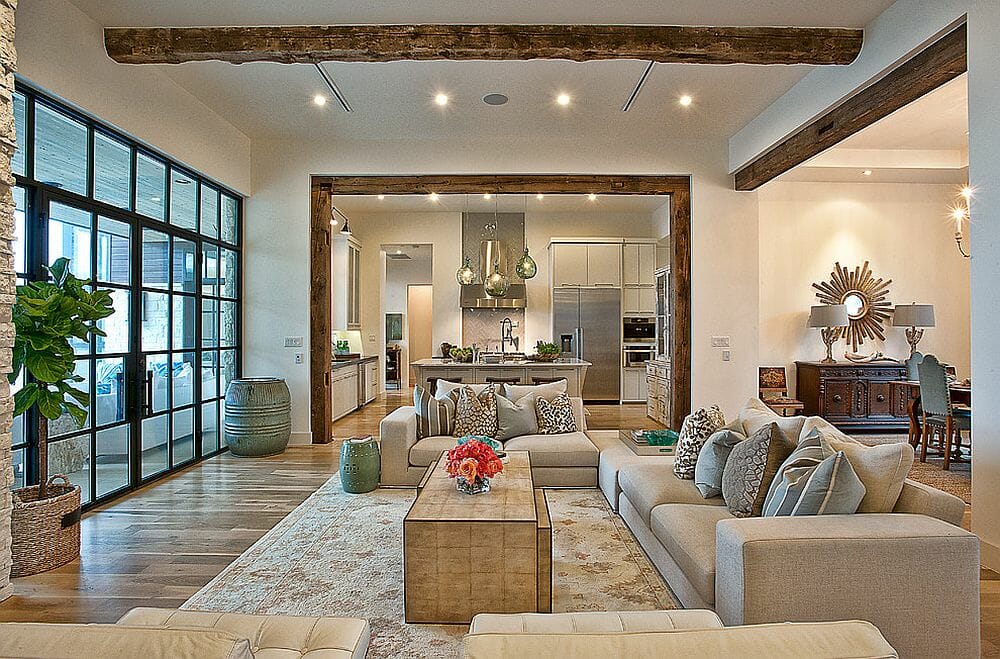
Neutral interiors are no longer about playing it safe. Today’s modern spaces embrace a richer, more expressive definition of neutral, one that values warmth, tactile contrast, and visual balance over flat minimalism. The new neutral is subtle but intentional, designed to feel lived-in, calming, and deeply personal.
Rather than stripping a room down to bare essentials, designers are now layering soft color shifts, organic textures, and thoughtful proportions to create interiors that feel timeless without being sterile.
Moving Beyond Beige: A New Perspective on Neutral Color
Neutral color palettes have evolved far beyond white walls and beige sofas. Modern interiors now explore undertones, temperature, and depth, allowing neutral spaces to feel nuanced instead of monotonous.
What Defines the New Neutral Palette?
-
Warm whites with creamy or sandy undertones
-
Soft earth tones such as clay, mushroom, taupe, and putty
-
Muted naturals like sage, stone gray, and weathered wood hues
These colors work together quietly, creating harmony without demanding attention. The goal isn’t contrast—it’s cohesion.
Texture as the New Accent
In contemporary neutral interiors, texture replaces bold color as the primary design statement. When the palette is restrained, texture carries the emotional weight of the space.
Key Textures That Elevate Neutral Spaces
-
Natural fabrics: linen, wool, cotton, and boucle
-
Raw finishes: plaster walls, limewash paint, concrete floors
-
Organic materials: wood, stone, rattan, ceramic, and clay
Layering these materials creates visual rhythm and tactile comfort. A neutral room feels complete not when it’s perfect, but when it’s texturally rich.
Balance Over Minimalism
Modern interiors are shifting away from extreme minimalism toward a balanced approach that values comfort as much as clarity. The new neutral doesn’t empty a room—it edits it.
How Balance Shapes Modern Neutral Interiors
-
Negative space allows key elements to breathe
-
Furniture is intentional, not excessive
-
Decorative objects are meaningful, not decorative clutter
This balance makes a space feel calm yet grounded, polished but human.
Embracing Imperfection and Patina
One defining feature of the new neutral is its appreciation for imperfection. Instead of pristine finishes, modern interiors now celebrate signs of age, texture, and craftsmanship.
Think hand-thrown ceramics, weathered wood tables, or subtly uneven plaster walls. These details add authenticity, making neutral spaces feel warm, tactile, and emotionally engaging.
Lighting: The Quiet Power Player
Lighting plays a crucial role in shaping how neutral interiors are perceived. Soft, layered lighting enhances texture and reveals depth in color.
Lighting Choices That Support the New Neutral
-
Warm LED temperatures rather than cool white
-
Indirect lighting to soften hard surfaces
-
Natural light filtered through sheer fabrics
When lighting is considered part of the palette, neutral interiors feel dynamic throughout the day.
Why the New Neutral Feels Timeless
Trends come and go, but the new neutral is rooted in human comfort and natural materials. Its flexibility allows spaces to evolve without full redesigns, adapting easily to new furniture, art, or personal changes.
This approach doesn’t chase novelty—it builds longevity.
How to Introduce the New Neutral Into Your Home
You don’t need a full renovation to embrace this shift. Small, thoughtful changes can redefine your space.
-
Replace stark whites with warmer tones
-
Add textured throws, rugs, or cushions
-
Introduce natural materials in furniture or décor
-
Focus on balance rather than symmetry
The result is a home that feels modern, calm, and unmistakably yours.
Frequently Asked Questions
1. How is the new neutral different from traditional neutral interiors?
Traditional neutrals focus on simplicity and restraint, while the new neutral emphasizes texture, warmth, and layered materials for a more inviting feel.
2. Can neutral interiors still feel bold?
Yes. Boldness in neutral spaces comes from contrast in texture, scale, and form, not from loud colors.
3. Are cool grays still considered neutral?
They can be, but modern interiors favor warmer and more natural undertones that feel less clinical and more livable.
4. How do I prevent a neutral room from feeling flat?
Layer textures, vary finishes, and use subtle tonal shifts to create depth and movement.
5. Is the new neutral suitable for small spaces?
Absolutely. Balanced neutrals can make small spaces feel open, cohesive, and calm without overwhelming them.
6. What materials work best for modern neutral interiors?
Wood, stone, linen, plaster, ceramic, and wool are among the most effective materials for adding warmth and texture.
7. Will neutral interiors go out of style?
Neutral interiors endure because they adapt. The new neutral’s focus on balance and natural elements ensures long-term relevance rather than trend-driven appeal.