

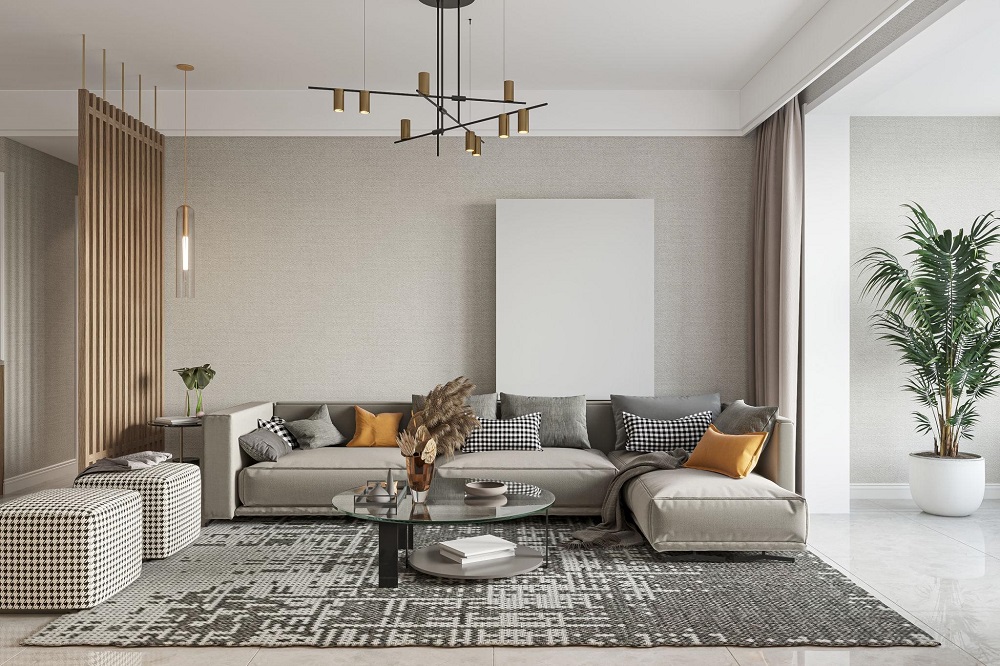
Home decor plays an essential role in shaping how a house feels, functions, and reflects personal identity. A thoughtfully decorated home improves comfort, enhances mood, and increases the usability of everyday spaces. Whether you are redesigning a single room or refreshing your entire home, practical styling decisions can make a noticeable difference without requiring a large budget.
This guide explains key home decor principles, trending ideas, and practical techniques to help you create a balanced and visually appealing environment.
Understanding the Basics of Home Decor
Home decor combines aesthetics with functionality. It involves arranging furniture, selecting colors, choosing textures, and integrating lighting elements to create harmony within a space.
The goal is not simply to make a room look attractive but to ensure it supports daily living comfortably.
Key components include:
- Color palette selection
- Furniture placement
- Lighting arrangement
- Wall styling
- Textiles and accessories
- Storage solutions
A successful decor plan balances these elements instead of focusing heavily on just one aspect.
Choosing the Right Color Palette
Color influences mood and perception of space more than any other decor element. Selecting the right palette helps unify your interiors.
Popular color approaches include:
Neutral palettes
- White
- Beige
- Grey
- Cream
These shades create calm and flexibility for styling changes.
Warm tones
- Terracotta
- Mustard
- Soft brown
They make rooms feel inviting and comfortable.
Cool tones
- Blue
- Sage green
- Lavender
These work especially well in bedrooms and study areas.
A simple strategy is to follow the 60 30 10 rule:
- 60 percent dominant color
- 30 percent secondary color
- 10 percent accent color
This ensures visual balance.
Furniture Placement for Maximum Functionality
Furniture arrangement defines how comfortably a room functions. Even expensive furniture looks ineffective if placed incorrectly.
Helpful placement strategies include:
- Keep walking pathways clear
- Avoid pushing all furniture against walls
- Anchor seating around a focal point
- Use rugs to define zones in open spaces
In smaller homes, multi functional furniture improves both space efficiency and visual neatness.
Examples include:
- Storage beds
- Foldable tables
- Nesting stools
- Sofa beds
Lighting as a Design Element
Lighting affects mood, depth perception, and room usability. A layered lighting strategy works best in most interiors.
Combine three lighting types:
Ambient lighting
Provides general illumination
Task lighting
Supports reading, cooking, or studying
Accent lighting
Highlights artwork or decorative pieces
Warm lighting improves relaxation areas, while cooler lighting suits workspaces.
Natural light should always be maximized wherever possible through lighter curtains and strategic mirror placement.
Wall Decor That Adds Personality
Walls provide the largest decorative surface in any room. Thoughtful wall styling can transform a plain interior instantly.
Effective wall decor ideas include:
- Gallery photo walls
- Canvas paintings
- Floating shelves
- Textured wall panels
- Mirrors to reflect light
Mirrors are especially useful in compact spaces because they create the illusion of depth.
Adding Texture Through Fabrics and Materials
Texture creates visual richness even when colors remain simple.
Introduce texture using:
- Rugs
- Cushions
- Curtains
- Throws
- Upholstery fabrics
Mixing materials such as wood, metal, glass, and linen adds contrast without cluttering the space.
Layering textures makes interiors feel complete and comfortable.
Decorating with Indoor Plants
Indoor plants improve air quality and introduce natural freshness into interiors.
Easy maintenance options include:
- Snake plant
- Pothos
- Peace lily
- Rubber plant
Plants also soften sharp architectural edges and improve emotional comfort inside living spaces.
Smart Storage Solutions for Organized Interiors
Clutter reduces both beauty and functionality. Smart storage helps maintain visual calmness.
Practical storage ideas include:
- Under bed storage drawers
- Wall mounted cabinets
- Floating shelves
- Storage benches
- Hidden compartment furniture
Organized homes appear larger and more relaxing.
Budget Friendly Home Decor Ideas
Decorating does not always require expensive purchases. Small updates can create noticeable improvements.
Cost effective ideas include:
- Rearranging furniture layouts
- Changing cushion covers
- Updating curtains
- Adding wall frames
- Using warm lighting lamps
Refreshing decor seasonally keeps interiors interesting without major renovation expenses.
Mixing Modern and Traditional Decor Styles
Combining styles creates depth and individuality.
You can blend elements such as:
- Wooden furniture with modern lighting
- Traditional rugs with minimalist sofas
- Antique accessories with neutral walls
Balance is important so one style does not overpower another.
Creating a Comfortable Bedroom Environment
Bedrooms should promote rest and relaxation.
Focus on:
- Soft lighting
- Comfortable bedding
- Neutral tones
- Minimal clutter
- Functional bedside storage
Avoid excessive decoration that distracts from comfort.
Enhancing Entryways for a Strong First Impression
Entryways influence how guests perceive your home.
Simple improvements include:
- Wall mirrors
- Shoe storage units
- Console tables
- Indoor plants
- Accent lighting
Even a small entrance area can feel welcoming with thoughtful styling.
Frequently Asked Questions About Home Decor
1. How often should home decor be updated
Small updates can be done every season, while major decor changes are usually recommended every two to three years depending on lifestyle needs.
2. What is the most important element in home decor
Lighting is often considered the most impactful element because it affects both appearance and functionality.
3. How can small rooms look bigger through decor
Using mirrors, light colored walls, compact furniture, and vertical storage helps create the illusion of space.
4. Should all rooms follow the same decor theme
Rooms should feel connected through color or material consistency, but each space can still have its own personality.
5. What type of flooring works best for modern interiors
Wood finishes, laminate flooring, and large format tiles are widely preferred for modern styling due to durability and visual appeal.
6. How can renters decorate without permanent changes
Use removable wallpaper, adhesive hooks, rugs, and portable lighting fixtures to enhance interiors without structural modification.
7. How do accessories influence overall home decor
Accessories such as cushions, artwork, plants, and lighting fixtures help complete the visual story of a room and make it feel lived in and personalized