

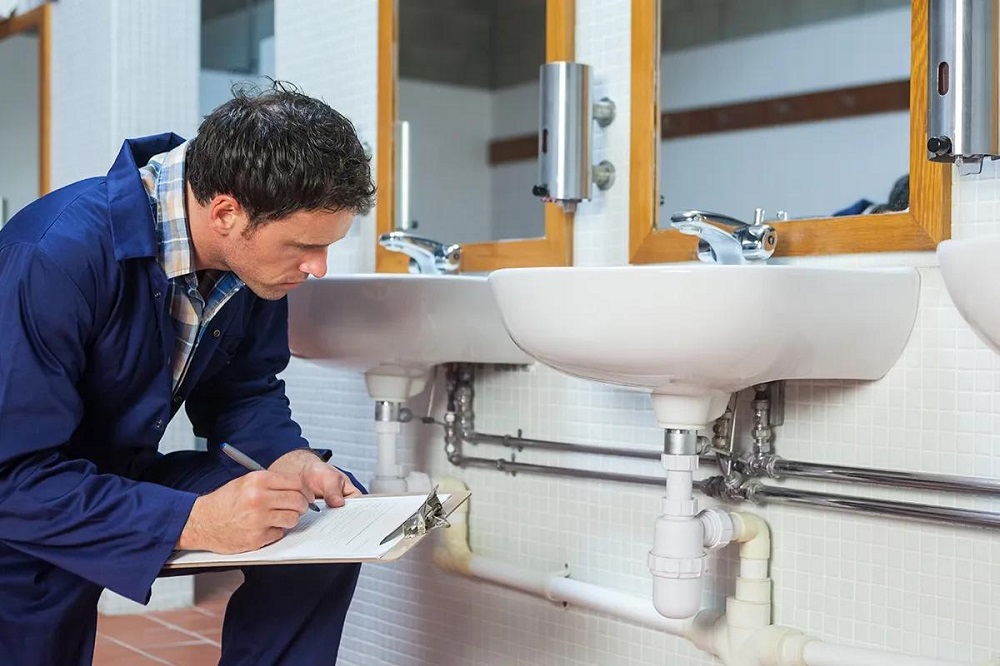
A plumbing system quietly supports everyday comfort, sanitation, and safety inside homes and commercial buildings. Because most pipes and fittings remain hidden behind walls or beneath floors, early warning signs of trouble often go unnoticed. Professional plumbing inspections play a crucial role in identifying hidden issues before they grow into costly repairs or disruptions.
Regular inspections are not simply about fixing leaks. They help protect property value, conserve water, maintain hygiene standards, and ensure long-term system reliability.
Why Plumbing Systems Require Professional Attention
Many property owners rely on visual checks or wait until a problem appears. However, plumbing networks are complex systems involving pipes, joints, valves, drainage pathways, fixtures, and pressure regulation components. Even minor faults can escalate quickly when ignored.
Professional inspections help detect issues that are difficult to identify without specialized tools and technical knowledge, including:
- Slow internal leaks inside walls
- Corrosion developing inside pipes
- Pressure imbalances affecting fixtures
- Early-stage blockages in drainage lines
- Faulty connections causing water loss
Addressing these concerns early prevents expensive structural damage and unnecessary water waste.
Early Detection Prevents Costly Repairs
Small plumbing defects often start quietly but worsen over time. A tiny leak today can lead to wall damage, mold growth, or flooring deterioration within months.
Professional inspectors use diagnostic techniques to uncover hidden weaknesses before they become serious problems. This proactive approach helps reduce:
- Emergency repair expenses
- Structural restoration costs
- Fixture replacement needs
- Long-term maintenance interruptions
Routine inspections are significantly more economical than dealing with unexpected plumbing failures.
Improves Water Efficiency and Reduces Waste
Water conservation is becoming increasingly important for households and businesses alike. Even minor leaks can result in substantial water loss over time.
During inspections, professionals evaluate the efficiency of fixtures, pipelines, and pressure levels to ensure optimal water usage. They may recommend improvements such as replacing worn components or adjusting system settings to enhance performance.
Benefits of improved efficiency include:
- Lower utility bills
- Reduced environmental impact
- Extended lifespan of plumbing infrastructure
- Better water flow consistency throughout the property
Protects Structural Integrity of the Property
Undetected plumbing leaks often affect walls, ceilings, insulation, and flooring. Moisture buildup inside hidden areas can weaken building materials and create long-term safety concerns.
Professional inspections help identify moisture risks before they spread. Inspectors carefully assess vulnerable areas such as:
- Pipe junctions
- Underground pipelines
- Bathroom and kitchen connections
- Water heater attachments
- Drainage outlets
Preventing water intrusion helps maintain the strength and durability of the structure.
Ensures Safe and Hygienic Living Conditions
Faulty plumbing systems may contribute to contamination risks and unhealthy indoor environments. Backflow issues, clogged drainage lines, and stagnant water can affect sanitation levels.
Professional inspections ensure that water supply systems remain safe and properly separated from wastewater channels. Maintaining hygienic plumbing conditions supports overall household health and comfort.
Extends the Lifespan of Plumbing Components
Pipes, valves, fittings, and fixtures naturally wear down over time. Without monitoring, gradual deterioration can shorten the operational life of the entire system.
Routine inspections allow professionals to:
- Identify aging materials
- Replace weakened connectors
- Adjust pressure inconsistencies
- Clean partially blocked drainage paths
These preventive actions help extend the service life of plumbing infrastructure while reducing replacement frequency.
Supports Property Value and Insurance Compliance
A well-maintained plumbing system contributes positively to property value. Buyers and tenants often consider plumbing reliability when evaluating a property.
Professional inspection records demonstrate responsible maintenance practices and may assist with insurance requirements or claim approvals. Documented inspections also increase buyer confidence during property transactions.
Helps Detect Hidden Drainage Issues
Drainage systems play an essential role in maintaining cleanliness and preventing flooding. Because these systems operate mostly underground or behind walls, problems may remain unnoticed until they become severe.
Inspection professionals use specialized equipment to identify:
- Partial obstructions
- Tree root intrusion
- Pipe misalignment
- Sediment buildup
- Slow drainage patterns
Early intervention keeps wastewater flowing efficiently and prevents unpleasant surprises.
Recommended Frequency for Plumbing Inspections
Inspection frequency depends on property age, usage patterns, and environmental conditions. However, general recommendations include:
- Once every year for residential properties
- Twice a year for commercial buildings
- Before purchasing a property
- After major renovations
- When experiencing unexplained water pressure changes
Regular scheduling ensures consistent performance and reduces unexpected disruptions.
Signs That Indicate Immediate Inspection Is Needed
While routine inspections are important, certain warning signs require immediate professional attention:
- Unusual increases in water bills
- Persistent damp spots on walls
- Reduced water pressure
- Slow draining sinks or bathtubs
- Unpleasant odors near drainage areas
- Discolored tap water
Prompt inspection can prevent escalation into serious damage.
Conclusion
Professional plumbing inspections provide long-term protection for both residential and commercial properties. They help detect hidden issues early, maintain water efficiency, support hygiene standards, and extend system lifespan. Investing in routine inspection services ensures reliability, safety, and cost savings over time while preserving the overall condition of the property.
Frequently Asked Questions
1. How long does a professional plumbing inspection usually take
Most residential plumbing inspections take between one and two hours depending on property size and system complexity.
2. Can plumbing inspections detect underground pipe damage
Yes, professionals often use specialized tools such as cameras and pressure testing equipment to identify underground issues without excavation.
3. Is plumbing inspection necessary for newly constructed homes
Even new properties benefit from inspections to confirm installation quality and ensure no hidden defects exist.
4. Are plumbing inspections required before selling a property
While not always mandatory, inspections increase buyer confidence and help prevent last-minute negotiation issues.
5. Do inspections include checking water heaters
Yes, inspectors typically examine water heaters for efficiency, safety performance, and potential leakage risks.
6. Can regular inspections help prevent mold growth
Yes, identifying hidden leaks early reduces moisture buildup, which is a primary cause of mold development.
7. Is professional inspection better than routine self-checking
Self-checking helps identify visible problems, but professional inspections detect hidden faults that require technical expertise and specialized equipment.