

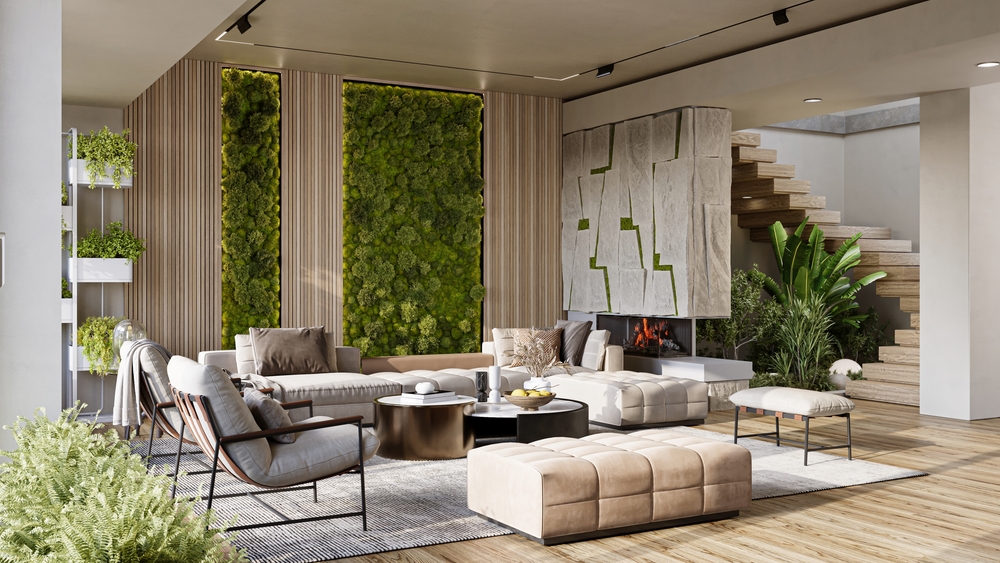
Interior spaces are never neutral. Every color choice, furniture layout, and lighting decision subtly influences how people feel, think, and behave. Designing with intention goes beyond aesthetics—it is about creating environments that actively support emotional balance, mental clarity, and overall well-being.
When interiors are planned thoughtfully, they become tools for better living rather than just backdrops for daily routines.
What Does “Designing with Intention” Really Mean?
Intentional design is the practice of making deliberate, purpose-driven choices instead of decorating by trend or impulse. Each element serves a role, whether that role is calming the mind, encouraging focus, or fostering connection.
At its core, intentional design asks one key question: How should this space make people feel and function?
Core Principles of Intentional Interiors
-
Purpose before style – visual appeal supports function, not the other way around
-
Human-centered thinking – design responds to real emotional and physical needs
-
Balance and restraint – fewer, better-chosen elements reduce mental noise
How Interiors Shape Mood
Mood is highly sensitive to environmental cues. Light, color, texture, and spatial flow all send signals to the brain that influence emotional states—often subconsciously.
Color and Emotional Response
Color psychology plays a foundational role in mood regulation.
-
Soft neutrals and earth tones promote calm and emotional stability
-
Cool blues and greens help lower stress and anxiety
-
Warm accents such as muted terracotta or soft amber can create comfort without overstimulation
Overly saturated or clashing colors, on the other hand, may elevate stress or agitation when used excessively.
Lighting as an Emotional Regulator
Lighting affects circadian rhythms and emotional health more than most people realize.
-
Natural light supports serotonin production and improves mood
-
Layered lighting (ambient, task, accent) allows spaces to adapt to different emotional needs
-
Warm lighting in the evening signals the body to relax and unwind
Intentional lighting design respects how humans naturally respond to light throughout the day.
Designing for Focus and Mental Clarity
Focus thrives in environments that minimize distraction and cognitive overload. Intentional interiors support concentration by simplifying visual input and guiding attention.
Layout and Spatial Flow
Clear circulation paths and thoughtful zoning help the brain process space efficiently.
-
Dedicated areas for work, rest, and social interaction reduce mental switching costs
-
Open space balanced with defined boundaries prevents overstimulation
-
Furniture placement that encourages ergonomic posture supports sustained attention
Visual Simplicity and Order
Clutter is not just physical—it is cognitive.
-
Clean sightlines reduce decision fatigue
-
Hidden storage keeps necessary items accessible without visual chaos
-
Repetition of materials and finishes creates visual harmony
A well-ordered space quietly reinforces mental discipline and clarity.
The Connection Between Interior Design and Well-Being
Well-being encompasses emotional, physical, and psychological health. Intentional interiors address all three by responding to how people live, not just how spaces look.
Sensory Comfort Matters
Every sense contributes to the experience of a space.
-
Texture (soft fabrics, natural materials) provides tactile comfort
-
Acoustics influence stress levels and concentration
-
Air quality and ventilation impact energy, sleep, and overall health
Design that ignores sensory experience often feels beautiful but uncomfortable.
Biophilic Design and Natural Elements
Humans are biologically wired to connect with nature.
-
Indoor plants improve air quality and reduce stress
-
Natural materials like wood and stone foster grounding
-
Views of greenery or outdoor access support emotional restoration
Even subtle references to nature can significantly enhance well-being.
Designing with Intention at Home
Homes are where intentional design has the greatest long-term impact. Small, thoughtful adjustments can transform daily life.
Practical Ways to Apply Intentional Design
-
Choose furniture scaled appropriately to the room
-
Prioritize comfort over visual trends
-
Create technology-free zones to support rest
-
Design bedrooms around sleep quality, not storage
A home designed with intention supports energy, rest, and emotional resilience.
Intentional Design in Work and Shared Spaces
Workplaces, studios, and communal environments benefit immensely from intentional design.
-
Calm color palettes improve concentration
-
Flexible layouts support different work styles
-
Thoughtful lighting reduces eye strain and fatigue
When people feel supported by their environment, productivity and satisfaction naturally improve.
Why Intentional Design Is More Important Than Ever
Modern life is fast, noisy, and digitally saturated. Intentional interiors offer a counterbalance—a physical environment that restores rather than drains.
Designing with intention is not about perfection or luxury. It is about alignment between space and human need. When interiors are crafted thoughtfully, they become active participants in well-being, shaping mood, sharpening focus, and supporting a healthier, more grounded life.
Frequently Asked Questions (FAQ)
1. Can intentional design work in small or rented spaces?
Yes. Intentional design focuses on choices, not size or ownership. Lighting, layout, and color can be adjusted without permanent changes.
2. Is intentional interior design expensive to implement?
Not necessarily. Many impactful changes—decluttering, rearranging furniture, improving lighting—require minimal financial investment.
3. How does intentional design differ from minimalism?
Minimalism emphasizes reduction, while intentional design emphasizes purpose. A space can be rich and layered yet still intentional.
4. Can interior design really affect mental health?
Research shows that light, color, acoustics, and spatial order significantly influence stress levels, mood, and cognitive performance.
5. How do I start designing with intention if I feel overwhelmed?
Begin with one room and one goal, such as improving sleep or focus. Let function guide each decision.
6. Are trends incompatible with intentional design?
Trends can be used intentionally, but they should support long-term comfort and function rather than dictate design choices.
7. How often should an interior space be re-evaluated?
Spaces should evolve as life changes. Periodic reassessment ensures the environment continues to support current needs and habits.