

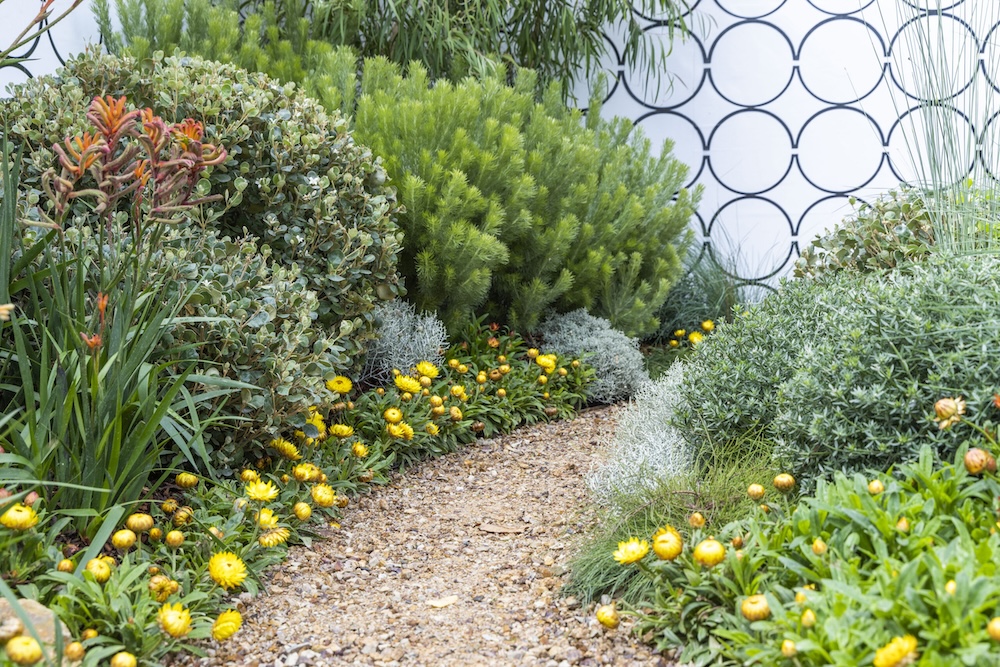
Creating an outdoor sanctuary is more than a landscaping trend—it’s a meaningful way to support mental well-being while elevating the visual appeal of your home. A thoughtfully designed garden offers a calm retreat from daily pressures, reconnects you with nature, and transforms unused outdoor space into a place of purpose and beauty.
The Mental Health Benefits of Garden Spaces
Gardens have a unique ability to slow the mind and soothe the senses. Spending time outdoors among plants, natural light, and fresh air supports emotional balance and cognitive clarity.
Key mental health benefits include:
-
Reduced stress and anxiety through exposure to greenery
-
Improved mood and emotional resilience
-
Enhanced focus and creativity
-
Better sleep patterns due to natural light exposure
-
Opportunities for mindfulness and gentle physical activity
Even small garden spaces can deliver these benefits when designed with intention.
Gardens as Personal Sanctuaries
An outdoor sanctuary is not defined by size but by how it makes you feel. Whether it’s a compact patio or a sprawling backyard, a garden can become a personal refuge where daily stress fades.
Elements That Create a Sense of Sanctuary
-
Natural textures such as wood, stone, and water
-
Layered planting with trees, shrubs, and ground cover
-
Quiet zones for reflection, reading, or meditation
-
Soft lighting to create calm evening ambiance
By prioritizing comfort and tranquility, your garden becomes a space you naturally gravitate toward.
Enhancing Home Aesthetics Through Garden Design
Beyond mental wellness, gardens significantly boost a home’s visual charm. A cohesive outdoor design complements architectural features and creates a seamless transition between indoor and outdoor living.
Aesthetic Advantages of Well-Designed Gardens
-
Increased curb appeal and perceived property value
-
Balanced color palettes that change with the seasons
-
Framing views and architectural elements naturally
-
Creating focal points with plants, sculptures, or water features
A garden that reflects your personal style adds character and warmth to your home environment.
Designing With Nature in Mind
Sustainable garden design nurtures both the environment and your well-being. Working with nature rather than against it creates a healthier, lower-maintenance sanctuary.
Eco-conscious design choices include:
-
Native plants that thrive naturally in your climate
-
Rainwater collection or drip irrigation systems
-
Organic soil enrichment and composting
-
Pollinator-friendly flowers and shrubs
These practices foster biodiversity while creating a garden that feels alive and balanced.
The Role of Sensory Design in Outdoor Spaces
A true outdoor sanctuary engages all five senses, deepening relaxation and emotional connection.
Sensory Elements to Include
-
Sight: varied plant heights, colors, and movement
-
Sound: rustling leaves, birds, or gentle water features
-
Smell: fragrant herbs, flowers, or soil after rain
-
Touch: textured leaves, grass, smooth stones
-
Taste: edible plants like fruits, vegetables, and herbs
When the senses are engaged, time spent outdoors becomes more restorative and memorable.
Making Your Garden a Daily Wellness Habit
To fully experience the benefits, integrate your garden into daily routines. Morning coffee outside, evening walks, or quiet moments of reflection help anchor your day with calm.
Consistency matters more than duration. Even a few minutes outdoors can shift your mindset and improve overall well-being.
Long-Term Value of an Outdoor Sanctuary
An outdoor sanctuary evolves with time. As plants grow and seasons change, the garden matures into a living reflection of care and intention. This long-term relationship strengthens emotional attachment to your home and supports ongoing mental health benefits.
Frequently Asked Questions
1. Can small gardens still improve mental health?
Yes, even compact spaces like balconies or courtyards can reduce stress and improve mood when thoughtfully designed.
2. How much maintenance does an outdoor sanctuary require?
Maintenance depends on plant selection. Native and low-maintenance plants significantly reduce upkeep.
3. What is the best budget-friendly way to start a garden sanctuary?
Begin with container plants, simple seating, and natural materials. Gradual additions keep costs manageable.
4. Do gardens really increase property value?
Well-designed outdoor spaces often enhance curb appeal and can positively influence property value.
5. How long does it take to feel mental health benefits from gardening?
Many people notice mood improvements within days or weeks of spending regular time outdoors.
6. Are water features necessary for a calming garden?
They are helpful but not essential. Natural sounds, plants, and textures can also create tranquility.
7. Can gardens support both relaxation and social gatherings?
Yes, zoning your garden allows for quiet areas and social spaces to coexist harmoniously.