

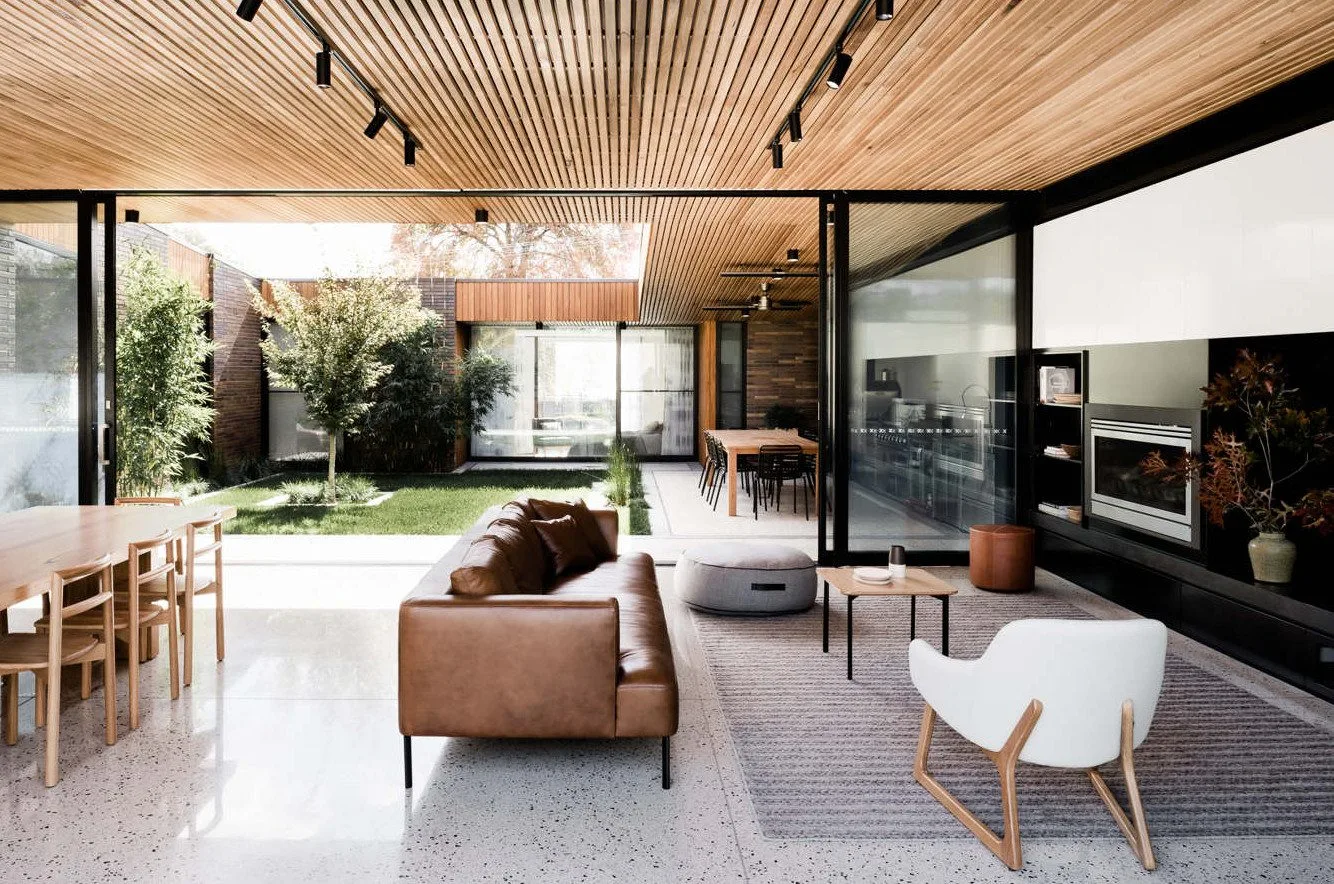
Creating a beautiful home no longer means compromising the planet. Sustainable flooring blends modern design, durability, and environmental responsibility, offering homeowners stylish solutions that reduce ecological impact. From natural materials to innovative recycled products, eco-conscious flooring has evolved into a practical and visually appealing choice for contemporary spaces.
Why Sustainable Flooring Matters
Flooring covers a significant surface area in any building, making it a major factor in environmental impact. Traditional flooring materials often involve high energy consumption, harmful adhesives, and non-renewable resources. Sustainable alternatives address these concerns by focusing on:
-
Renewable or recycled raw materials
-
Low-emission manufacturing processes
-
Improved indoor air quality
-
Long-lasting performance that reduces waste
Choosing eco-friendly flooring is both a design decision and a long-term investment in a healthier home.
Bamboo Flooring: Modern and Renewable
Bamboo flooring has gained popularity for its sleek appearance and impressive sustainability profile. Bamboo grows rapidly—often reaching maturity within five years—making it one of the most renewable flooring resources available.
Key advantages of bamboo flooring
-
High durability comparable to hardwood
-
Contemporary aesthetic with multiple finish options
-
Naturally resistant to moisture and pests
-
Reduced harvesting pressure on forests
This makes bamboo ideal for living rooms, bedrooms, and even light commercial spaces.
Cork Flooring: Comfort with Natural Benefits
Harvested from the bark of cork oak trees without cutting them down, cork flooring is a renewable option with unique functional benefits. Its cellular structure provides natural insulation and cushioning underfoot.
Why homeowners love cork
-
Soft, warm surface that absorbs sound
-
Excellent thermal insulation
-
Naturally antimicrobial and hypoallergenic
-
Comfortable for standing and walking
Cork works especially well in bedrooms, home offices, and family rooms.
Reclaimed Wood Flooring: Character with History
Reclaimed wood flooring gives old materials new life by repurposing timber from barns, factories, or old homes. Each plank carries a story, offering textures and tones that new wood simply can’t replicate.
Benefits of reclaimed wood
-
Reduces demand for new lumber
-
Unique grain patterns and aged finishes
-
High durability from old-growth timber
-
Adds warmth and authenticity to interiors
It’s a perfect choice for homeowners seeking rustic charm or industrial-style elegance.
Linoleum: A Classic Eco-Friendly Revival
Often confused with vinyl, linoleum flooring is made from natural materials such as linseed oil, cork dust, and wood flour. Modern linoleum has re-emerged as a sustainable option with improved durability and design flexibility.
Standout features of linoleum
-
Fully biodegradable over time
-
Resistant to scratches and stains
-
Available in vibrant colors and patterns
-
Easy to maintain and long-lasting
Linoleum is well suited for kitchens, hallways, and high-traffic areas.
Recycled Tile and Composite Flooring
Innovative manufacturers now create flooring from recycled glass, rubber, and composite materials. These options divert waste from landfills while delivering bold design possibilities.
Sustainable advantages
-
Utilizes post-consumer or industrial waste
-
Highly durable and moisture-resistant
-
Distinctive textures and modern finishes
-
Suitable for bathrooms and entryways
Recycled flooring options demonstrate how sustainability and creativity can work hand in hand.
Health and Indoor Air Quality Benefits
Beyond environmental impact, sustainable flooring contributes to a healthier living space. Many eco-friendly options are designed to be low in volatile organic compounds (VOCs), reducing indoor air pollution.
This leads to:
-
Fewer allergens and irritants
-
Improved respiratory comfort
-
A safer environment for children and pets
Making the Right Sustainable Choice
When selecting eco-friendly flooring, consider more than just materials. Evaluate durability, maintenance needs, and how the flooring fits your lifestyle. Certifications, transparency in sourcing, and installation methods also play an important role in overall sustainability.
Simple tips for choosing wisely
-
Prioritize longevity over short-term trends
-
Opt for low-emission finishes and adhesives
-
Match flooring performance to room usage
-
Balance aesthetics with environmental impact
The Future of Flooring Design
Sustainable flooring continues to evolve, with innovations focusing on circular design and carbon reduction. As technology advances, eco-friendly options are becoming more accessible, affordable, and visually diverse—making sustainable living easier than ever.
Frequently Asked Questions (FAQ)
1. Is sustainable flooring more expensive than traditional flooring?
While some eco-friendly options may have higher upfront costs, their durability and low maintenance often make them more cost-effective over time.
2. Can sustainable flooring handle high-traffic areas?
Yes, many options like bamboo, linoleum, and recycled composites are designed for durability and perform well in busy spaces.
3. How do I maintain eco-friendly flooring?
Maintenance varies by material, but most sustainable floors require simple cleaning methods and avoid harsh chemical cleaners.
4. Are sustainable floors suitable for humid climates?
Certain options, such as cork and engineered bamboo, are well suited for humid environments when properly sealed.
5. Does sustainable flooring limit design choices?
Not at all. Modern sustainable flooring offers a wide range of colors, textures, and finishes to match various interior styles.
6. Can sustainable flooring improve home resale value?
Yes, eco-conscious features are increasingly attractive to buyers and can enhance a home’s overall market appeal.
7. How long does sustainable flooring typically last?
With proper care, many sustainable flooring types can last decades, rivaling or exceeding traditional flooring lifespans.