

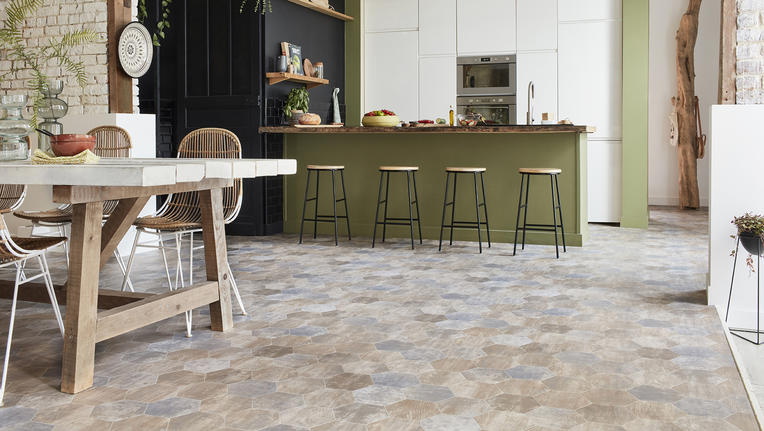
Choosing the right flooring is more than a design decision—it’s a daily lifestyle investment. The surface you walk on affects comfort, maintenance, durability, and even how your home feels emotionally. With so many materials available, the smartest choice comes from matching flooring to how you actually live, not just how a showroom looks.
This guide breaks down everything you need to know to select flooring that fits your habits, family needs, and long-term plans—without unnecessary complexity.
Understand Your Lifestyle Before Choosing Flooring
Before comparing materials, take an honest look at your everyday routine. Flooring performs best when it aligns with real-world use.
Ask Yourself These Key Questions
-
Do you have kids or pets that create extra wear?
-
Is your home high-traffic or mostly quiet?
-
How much time are you willing to spend on maintenance?
-
Do you prefer warmth underfoot or easy cleaning?
-
Are spills and moisture a frequent concern?
Your answers will narrow options far faster than trends ever will.
Flooring Options Explained by Lifestyle Type
Busy Homes with Kids and Pets
Homes filled with activity need flooring that resists scratches, stains, and moisture while staying easy to clean.
Best choices include:
-
Luxury Vinyl Plank (LVP) – Waterproof, durable, and forgiving
-
Laminate Flooring – Scratch-resistant and budget-friendly
-
Porcelain Tile – Nearly indestructible and spill-proof
Avoid softwoods or delicate finishes in these spaces, as they show wear quickly.
Low-Traffic or Relaxed Living Spaces
Bedrooms, studies, and guest rooms benefit from flooring that emphasizes comfort and aesthetics.
Great options include:
-
Carpet – Warm, quiet, and cozy
-
Engineered Hardwood – Elegant with added stability
-
Cork Flooring – Soft, insulating, and eco-friendly
These materials shine where foot traffic is minimal and comfort matters most.
Homes in Humid or Spill-Prone Areas
Kitchens, bathrooms, basements, and laundry rooms demand moisture resistance above all else.
Top-performing materials:
-
Ceramic or Porcelain Tile
-
Vinyl Sheet Flooring
-
Waterproof Composite Flooring
Natural hardwood and traditional laminate should be avoided in these zones.
Match Flooring to Your Maintenance Style
Not all homeowners want to spend weekends polishing floors—and that’s perfectly fine.
Low-Maintenance Flooring
-
Vinyl
-
Tile
-
Laminate
These require simple sweeping and occasional mopping.
Higher-Maintenance Flooring
-
Solid hardwood
-
Natural stone
-
Soft carpets
These reward care with longevity but demand more attention.
Being realistic about upkeep prevents future regret.
Comfort, Acoustics, and Feel Underfoot
Flooring isn’t just visual—it’s physical.
-
Carpet and cork reduce noise and feel softer
-
Wood and laminate provide moderate warmth
-
Tile and stone feel cool and firm, ideal for warm climates
If comfort matters, especially in bedrooms or upstairs spaces, softness should factor into your decision.
Style and Design Compatibility
Your flooring sets the foundation for your entire interior style.
-
Modern homes pair well with large-format tiles or sleek vinyl
-
Traditional interiors favor hardwood or patterned stone
-
Minimalist spaces benefit from neutral tones and simple textures
Choose a timeless base rather than chasing short-lived trends.
Budget Planning Without Cutting Corners
Flooring costs go beyond materials.
Account for:
-
Installation expenses
-
Subfloor preparation
-
Long-term maintenance
-
Replacement lifespan
Spending slightly more upfront on durable flooring often saves money over time.
Sustainability and Health Considerations
If eco-conscious living matters to you, flooring can support that goal.
Look for:
-
Low-VOC finishes
-
Renewable materials like bamboo or cork
-
Recycled-content vinyl or composite options
Healthier floors improve indoor air quality and long-term comfort.
Making the Final Decision
The best flooring is the one that fits your lifestyle, not someone else’s opinion. Balance durability, comfort, aesthetics, and maintenance honestly. When those factors align, the result is a floor that looks good and performs well for years.
Frequently Asked Questions
1. Which flooring option lasts the longest overall?
Porcelain tile and natural stone typically offer the longest lifespan when properly installed.
2. Is it okay to mix different flooring types in one home?
Yes, as long as transitions are smooth and the materials complement each other visually.
3. What flooring adds the most resale value?
Well-maintained hardwood and high-quality engineered wood are often attractive to buyers.
4. Can flooring affect indoor air quality?
Yes, low-VOC materials and finishes help reduce airborne pollutants inside the home.
5. What flooring works best for people with allergies?
Hard surfaces like tile, vinyl, or sealed hardwood prevent dust and allergens from trapping.
6. How often should flooring be replaced?
It depends on material and usage—vinyl may last 15–25 years, while tile can last decades.
7. Is professional installation always necessary?
While some flooring types allow DIY installation, professional work ensures durability and proper subfloor preparation.