

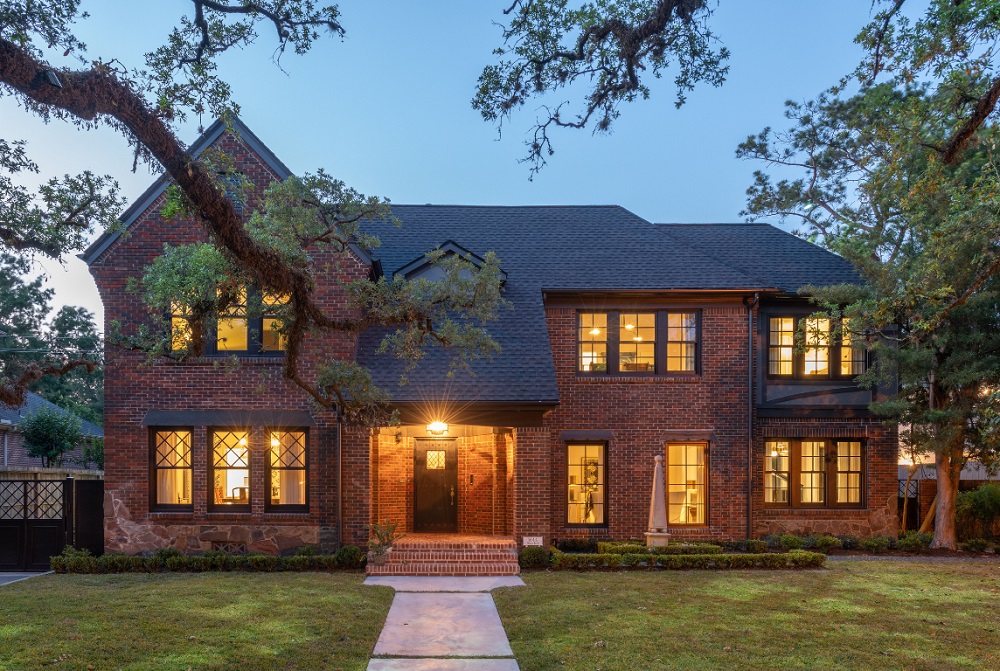
Renovating an older home is a rewarding challenge. These houses often carry character, craftsmanship, and history that newer builds lack, yet they may not align with today’s expectations for comfort, efficiency, and functionality. With thoughtful planning, you can preserve their charm while transforming them into spaces that support modern living.
This guide walks you through practical, realistic steps to renovate an older home without losing what makes it special.
Understanding the Home Before Renovation
Before making design decisions, it’s essential to understand what you’re working with. Older homes were built under different standards, materials, and assumptions.
Conduct a Thorough Home Assessment
A professional inspection helps uncover hidden issues that could affect your renovation timeline and budget.
Focus on:
-
Structural integrity (foundation, load-bearing walls, roof framing)
-
Electrical systems that may not meet current codes
-
Plumbing lines made of outdated materials
-
Insulation and ventilation gaps
Identifying these early prevents costly surprises later.
Balancing Historic Charm with Modern Needs
One of the biggest challenges is striking the right balance between preservation and modernization.
Preserve What Makes the Home Unique
Original details add value and soul to older homes. Whenever possible, retain and restore:
-
Hardwood floors
-
Decorative moldings and trim
-
Fireplaces and mantels
-
Solid wood doors and staircases
Restoration often costs less than replacement and maintains authenticity.
Modernize with Intention
Introduce modern elements where they enhance daily living:
-
Open layouts that improve flow
-
Energy-efficient windows designed to match original styles
-
Updated lighting that complements period architecture
The goal is integration, not contrast.
Updating Layouts for Today’s Lifestyles
Older homes were designed around formal rooms, which may not suit current habits.
Create Functional, Flexible Spaces
Modern lifestyles benefit from adaptable layouts:
-
Combine kitchens and dining areas for social living
-
Convert underused rooms into home offices or guest spaces
-
Improve sightlines while keeping subtle room divisions
Structural changes should always be reviewed by professionals to maintain safety.
Improving Energy Efficiency and Comfort
Older homes often struggle with temperature control and energy loss.
Smart Upgrades That Make a Difference
Focus on improvements that deliver long-term savings:
-
High-performance insulation in walls and attics
-
Sealing air leaks around doors and windows
-
Energy-efficient HVAC systems sized for the home
These upgrades improve comfort without altering the home’s appearance.
Modern Kitchens and Bathrooms Without Losing Character
Kitchens and bathrooms are often the most outdated areas in older homes.
Kitchens That Blend Old and New
A thoughtful kitchen renovation respects the home’s era while adding convenience:
-
Shaker-style cabinets or inset doors
-
Stone or wood countertops
-
Modern appliances concealed behind classic finishes
Bathrooms Built for Comfort
In bathrooms, subtle updates go a long way:
-
Walk-in showers with timeless tile patterns
-
Updated plumbing fixtures in traditional shapes
-
Heated flooring for modern comfort
Choosing the Right Materials and Finishes
Material selection plays a major role in how cohesive the renovation feels.
Favor Timeless Over Trendy
Older homes benefit from finishes that won’t age quickly:
-
Natural stone, wood, and ceramic tile
-
Neutral color palettes with warm undertones
-
Matte or brushed metal hardware
These choices respect the home’s history while feeling current.
Budgeting and Planning Realistically
Renovating an older home almost always uncovers the unexpected.
Build Flexibility Into Your Budget
A smart renovation plan includes:
-
A contingency fund of at least 15–20%
-
Phased renovations if budget is limited
-
Clear priorities between needs and wants
Patience and planning reduce stress and improve outcomes.
Working with the Right Professionals
Experience matters when renovating older homes.
Choose Specialists When Possible
Look for professionals familiar with older properties:
-
Contractors experienced in restoration work
-
Architects who understand historic structures
-
Tradespeople skilled in traditional materials
Their expertise protects both your investment and the home’s integrity.
Final Thoughts
Renovating an older home for modern living is about respectful transformation. By understanding the structure, preserving key features, and upgrading thoughtfully, you can create a home that honors the past while fully supporting present-day life. The result is a space that feels both timeless and truly livable.
Frequently Asked Questions (FAQ)
1. Is renovating an older home more expensive than buying new?
Renovation can be more unpredictable, but preserving quality materials often offsets costs over time.
2. How do I know which original features are worth saving?
Focus on elements that are structurally sound, difficult to replace, or central to the home’s character.
3. Can older homes support smart home technology?
Yes, with electrical upgrades, older homes can integrate smart lighting, security, and climate systems.
4. Should I live in the home during renovation?
It depends on the scale of work. Major structural or utility upgrades often make temporary relocation safer.
5. How long does a typical older-home renovation take?
Timelines vary, but full renovations often take longer than new builds due to hidden repairs.
6. Are there design styles that work best for older homes?
Transitional and classic-modern styles tend to blend well with historic architecture.
7. What renovations add the most value to an older home?
Kitchen updates, bathroom improvements, energy efficiency upgrades, and structural repairs typically deliver the highest return.