

Understanding the Link Between Pests and Indoor Air Quality
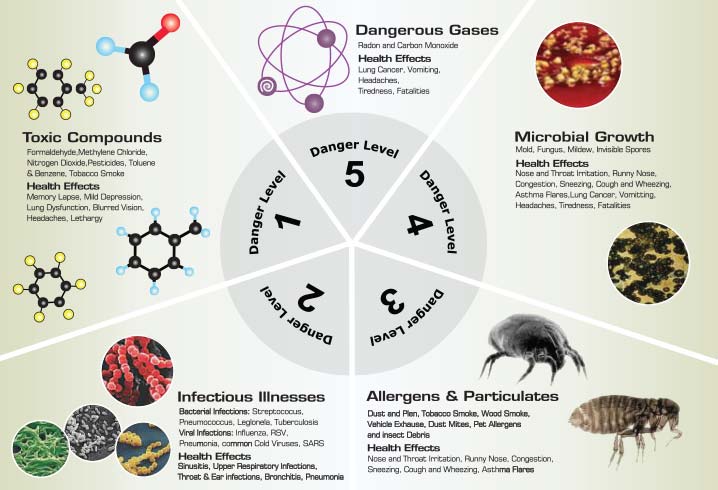
Pests don’t just invade living spaces; they contaminate the air within them. Insects and rodents shed body parts, leave droppings, and carry microscopic pathogens that become airborne.
Common indoor air pollutants caused by pests include:
-
Allergenic particles from cockroach shells and droppings
-
Rodent dander and urine proteins that trigger asthma
-
Mold spores encouraged by pest-related moisture issues
-
Bacteria and viruses carried on pest bodies
Over time, these contaminants circulate through HVAC systems, worsening indoor air quality without visible warning signs.
How Poor Indoor Air Affects Family Wellness
When indoor air quality declines, health consequences often follow. Children, seniors, and individuals with compromised immune systems are especially vulnerable.
Physical Health Impacts
-
Increased asthma attacks and allergy symptoms
-
Chronic coughing, sneezing, and sinus irritation
-
Higher risk of respiratory infections
Mental and Emotional Effects
-
Sleep disruption due to pest-related anxiety
-
Reduced focus and productivity
-
Ongoing stress from feeling unsafe at home
A pest-free environment supports not only physical health but also emotional comfort and peace of mind.
The Preventive Power of Professional Pest Control
Effective pest control goes beyond eliminating visible insects or rodents. It focuses on prevention, monitoring, and long-term indoor health protection.
Key Benefits of Proper Pest Management
-
Reduces airborne allergens linked to infestations
-
Prevents pest-related moisture buildup and mold growth
-
Limits the spread of bacteria and disease vectors
-
Supports cleaner HVAC systems and air circulation
Modern pest control methods emphasize targeted treatments and minimal chemical exposure, making them safer for families and pets.
Integrated Pest Management and Healthier Homes
Integrated Pest Management (IPM) is a holistic approach that prioritizes environmental safety and long-term results.
Core IPM strategies include:
-
Sealing entry points and structural gaps
-
Improving sanitation and food storage practices
-
Controlling humidity and moisture sources
-
Using low-toxicity treatments only when necessary
By addressing the root causes of infestations, IPM helps maintain healthier indoor air while reducing reliance on harsh chemicals.
Pest Control as a Wellness Investment
Viewing pest control as a wellness measure—not just a reactionary service—changes how families protect their homes. Cleaner air contributes to:
-
Fewer medical visits and allergy treatments
-
Improved sleep quality
-
Better overall family comfort
A proactive pest control plan supports a home environment where wellness thrives naturally.
Signs Pest Issues May Be Affecting Your Indoor Air
Some warning signs are subtle but significant:
-
Persistent musty or ammonia-like odors
-
Unexplained allergy flare-ups indoors
-
Increased dust despite regular cleaning
-
Visible droppings or insect debris near vents
Addressing these early can prevent long-term air quality problems and health risks.
Conclusion
Pest control plays a vital yet underestimated role in maintaining healthy indoor air and protecting family wellness. By reducing allergens, preventing contamination, and supporting cleaner living environments, effective pest management enhances both physical health and peace of mind. A truly healthy home isn’t just clean—it’s pest-free, breathable, and balanced.
Frequently Asked Questions
1. Can pests really worsen indoor air quality even if I don’t see them?
Yes. Many air contaminants caused by pests are microscopic and circulate through the air long before infestations become visible.
2. Which pests are most harmful to indoor air quality?
Cockroaches, rodents, dust mites, and ants are among the most common contributors to indoor air pollution.
3. Does pest control involve chemicals that affect indoor air?
Modern pest control often uses low-toxicity or non-chemical methods designed to minimize indoor air impact.
4. How often should pest control be done for health reasons?
Preventive treatments every few months are typically sufficient, though frequency depends on location, climate, and home conditions.
5. Can pest control help reduce asthma symptoms?
Yes. Removing pest allergens has been shown to significantly reduce asthma triggers, especially in children.
6. Is pest control part of a healthy home strategy?
Absolutely. Along with ventilation, humidity control, and cleanliness, pest control is a core pillar of a healthy indoor environment.
7. What’s the first step to improving indoor air through pest control?
Start with a professional inspection to identify hidden infestations and conditions that attract pests in the first place.