

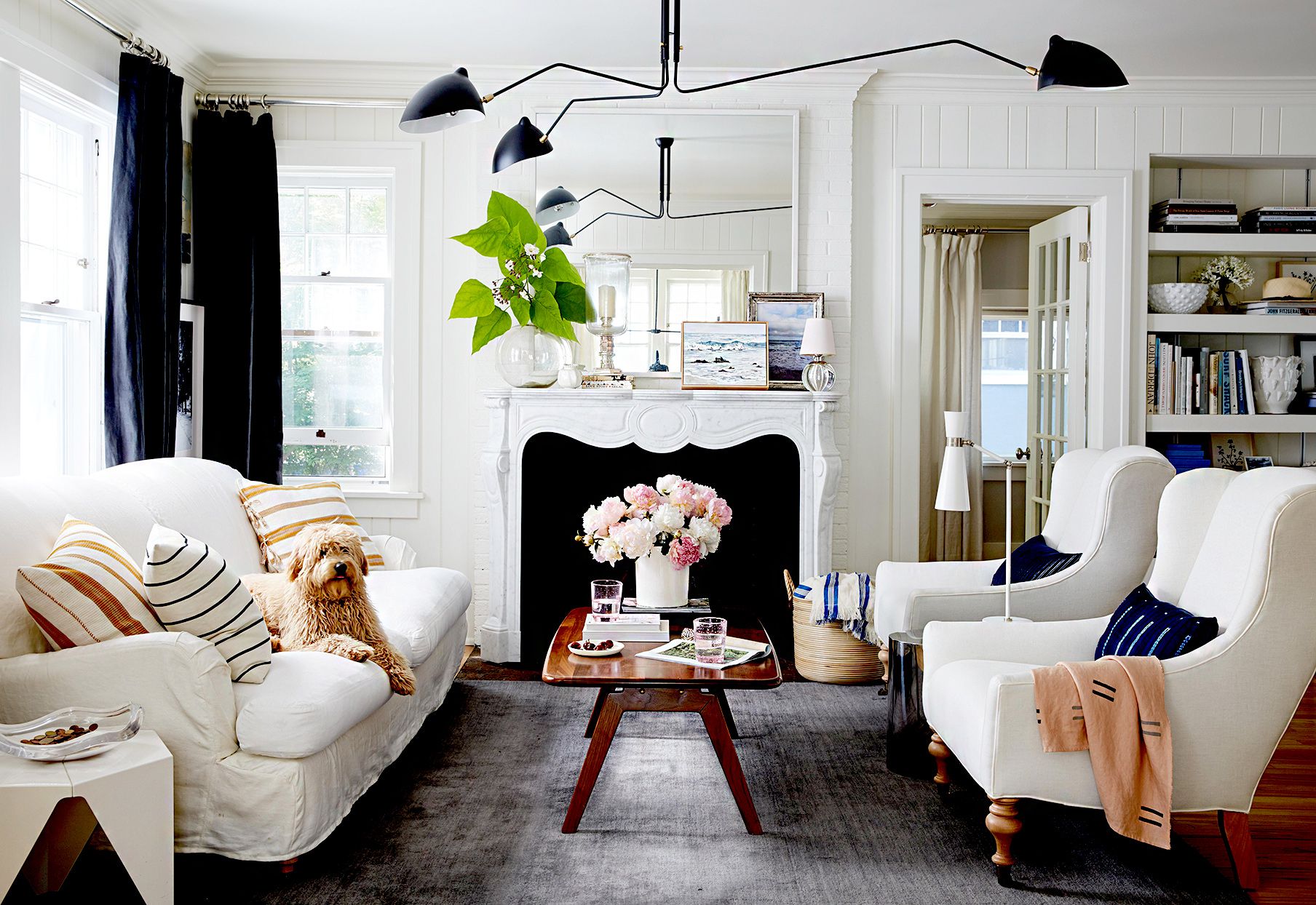
Modern life moves fast, often leaving little room for mental rest. Our homes, however, can become powerful counterbalances. With intentional choices in home decor, it’s possible to design spaces that support emotional balance, reduce stress, and quietly improve everyday well-being. Calm is not a luxury—it can be built, layer by layer, into the places we live.
The Psychology Behind Calm Interiors
Our brains constantly respond to visual and sensory cues. Colors, textures, lighting, and spatial flow all influence mood and energy levels. A thoughtfully designed home works with the nervous system rather than against it.
Well-designed calm interiors often share common psychological benefits:
-
Lower perceived stress
-
Improved focus and clarity
-
Better sleep quality
-
A stronger sense of safety and comfort
The goal is not perfection, but emotional ease.
Color Choices That Soothe the Mind
Color is one of the fastest ways to change how a space feels. Calm interiors typically rely on restrained palettes that don’t overstimulate the senses.
Colors that promote calm include:
-
Soft whites and warm creams
-
Muted blues and gentle greens
-
Earth tones such as sand, clay, and stone
-
Pale grays with warm undertones
Avoid overly saturated or high-contrast schemes in rest-focused spaces. Instead, use subtle variations of the same tone to create visual continuity and quiet harmony.
The Power of Natural Light and Soft Illumination
Lighting shapes both mood and circadian rhythm. Harsh overhead lights can trigger fatigue and agitation, while layered lighting supports comfort and relaxation.
Strategies for calming lighting:
-
Maximize natural daylight with sheer curtains
-
Use warm-toned bulbs (2700K–3000K)
-
Add table lamps and floor lamps for layered light
-
Avoid glare by diffusing light sources
In the evening, softer lighting cues the body to unwind, preparing it for rest.
Decluttering as a Form of Mental Care
Visual clutter often translates into mental clutter. While minimalism isn’t required, intentional organization is essential for calm.
A calmer home usually includes:
-
Clear surfaces with purposeful objects
-
Hidden storage for daily essentials
-
Furniture scaled appropriately to the room
-
Open pathways that allow easy movement
Each item should earn its place, either through function or meaning.
Texture, Materials, and Sensory Comfort
Calm is felt as much as it is seen. Natural textures ground a space and create a subtle sense of warmth.
Materials that encourage relaxation:
-
Linen, cotton, and wool fabrics
-
Wood with visible grain
-
Stone, clay, and ceramic accents
-
Soft rugs underfoot
Mixing textures adds depth without visual noise, creating a space that feels lived-in yet peaceful.
Bringing Nature Indoors
Biophilic design—the practice of connecting interiors with nature—has proven benefits for emotional health. Even small touches can make a noticeable difference.
Simple ways to incorporate nature:
-
Houseplants or fresh greenery
-
Natural wood furniture
-
Nature-inspired artwork
-
Views to outdoor spaces when possible
These elements subtly remind the mind of slower, more natural rhythms.
Designing for Daily Rituals
Calm homes support daily routines rather than disrupt them. When spaces align with habits, life feels easier and more intentional.
Consider creating:
-
A reading nook with comfortable seating
-
A calm morning coffee or tea station
-
A bedroom optimized for rest, not screens
-
An entryway that gently transitions from outside stress to indoor calm
Designing around rituals reinforces stability and emotional grounding.
Personal Meaning Without Overstimulation
A calm home should still reflect personality. The key is curation over accumulation.
Display items that:
-
Hold emotional significance
-
Tell a personal story
-
Evoke positive memories
Limit decorative objects to what genuinely resonates. Fewer meaningful pieces often feel more calming than many decorative ones.
How Calm Design Supports Long-Term Well-Being
Over time, calm environments help regulate stress responses. A thoughtfully designed home becomes a place where the nervous system can reset daily, supporting both mental and physical health.
Benefits often include:
-
Improved emotional resilience
-
Better sleep patterns
-
Increased sense of control and comfort
-
Stronger connection to home as a sanctuary
Calm design is not about trends—it’s about sustainable well-being.
FAQs
How can I make my home feel calmer without a full redesign?
Start with small changes like decluttering surfaces, switching to warmer lighting, and introducing neutral textiles. Even minor adjustments can significantly impact how a space feels.
Are calm interiors always minimalist?
No. Calm design focuses on balance and intention, not emptiness. A space can be warm, layered, and personal while still feeling peaceful.
Which room should I prioritize for calm design?
Bedrooms and living rooms are ideal starting points, as they are most connected to rest and relaxation.
Can calm decor help with anxiety or stress?
While decor is not a replacement for professional care, a calm environment can reduce sensory overload and support emotional regulation.
How do I balance calm design with family or children’s spaces?
Use calming base colors and add playful elements in controlled doses. Storage solutions help manage visual noise while keeping spaces functional.
Do calm interiors have to be expensive?
Not at all. Rearranging furniture, decluttering, and choosing thoughtful lighting are low-cost ways to create a calmer atmosphere.
How long does it take to feel the benefits of a calmer home?
Many people notice improvements almost immediately, especially in reduced visual stress and improved relaxation at home.