

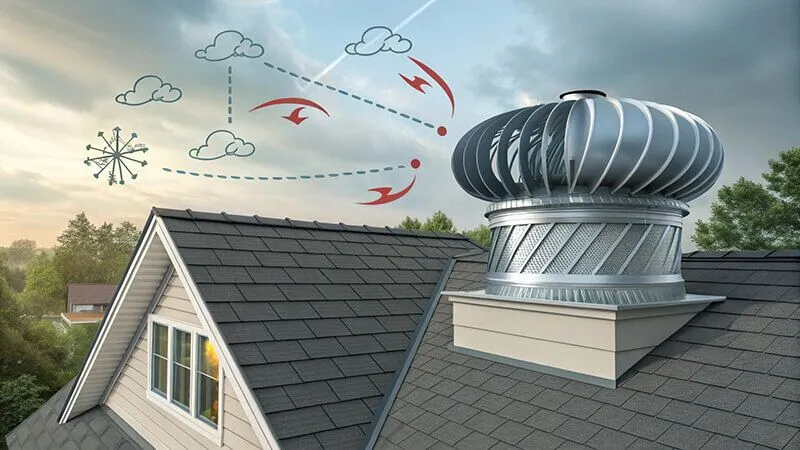
Roof ventilation is one of the most overlooked yet essential aspects of a healthy building structure. Whether in residential homes or commercial spaces, proper airflow beneath the roof prevents moisture buildup, regulates temperature, protects materials, and improves indoor comfort. Without adequate ventilation, even well-built roofs can develop structural issues over time.
This article explains how roof ventilation works, why moisture control matters, and how both contribute to a durable and energy-efficient building.
What Is Roof Ventilation
Roof ventilation refers to the controlled movement of air through the attic or roof cavity. It typically involves intake vents near the lower roof edge and exhaust vents near the ridge. This airflow cycle helps maintain balanced temperature and humidity levels beneath the roof surface.
A well-ventilated roof system allows fresh air to enter while pushing warm, moist air out. This continuous circulation protects both roofing materials and interior living spaces.
Key Components of a Roof Ventilation System
Most systems include the following elements
- Soffit vents for fresh air intake
- Ridge vents for warm air exhaust
- Gable vents in some structures
- Roof turbines or powered ventilators where natural airflow is insufficient
Together, these components maintain consistent air exchange inside the attic space.
Why Roof Ventilation Is Important
Proper roof ventilation provides several structural and environmental benefits.
Prevents Moisture Accumulation
Moisture inside roof cavities often comes from everyday indoor activities such as cooking, bathing, and laundry. Without ventilation, this trapped moisture condenses on cooler surfaces.
Over time, this can lead to
- Mold growth
- Rotting wood structures
- Insulation damage
- Ceiling stains
Ventilation removes excess humidity before it causes long-term damage.
Extends Roof Lifespan
Heat buildup weakens roofing materials such as shingles and underlayment. When hot air escapes efficiently, materials stay within safer temperature ranges, reducing premature deterioration.
Improves Indoor Comfort
Poor attic airflow allows heat to transfer downward into living spaces. Proper ventilation reduces temperature extremes and stabilizes indoor environments across seasons.
Supports Energy Efficiency
A ventilated attic prevents excessive heat retention during summer. This reduces strain on cooling systems and lowers energy consumption.
Understanding Moisture Control in Roofing Systems
Moisture control refers to managing humidity levels within roof structures to prevent condensation-related damage. While ventilation plays a major role, moisture control also involves insulation placement and vapor barriers.
Common Sources of Roof Moisture
Moisture inside roof systems can originate from multiple sources
- Indoor humidity rising into attic spaces
- Roof leaks from damaged shingles
- Improper insulation installation
- Blocked ventilation pathways
Identifying these sources early helps prevent structural complications.
Effects of Poor Moisture Management
Unchecked moisture leads to progressive damage that may not be visible immediately.
Typical consequences include
- Warped roof decking
- Rusted fasteners
- Reduced insulation effectiveness
- Increased risk of mold contamination
These issues can eventually compromise the structural stability of the building.
How Ventilation Controls Moisture
Ventilation reduces humidity by replacing moist air with dry outdoor air. This exchange keeps attic surfaces closer to outdoor temperature conditions, preventing condensation formation.
Balanced ventilation works best when intake and exhaust airflow remain proportional. If either component is missing, airflow becomes restricted and moisture problems persist.
Signs Your Roof May Have Ventilation Problems
Early detection helps prevent costly repairs. Property owners should watch for the following indicators
- Musty odors in attic spaces
- Peeling paint near ceilings
- Ice dams forming during winter
- Excessively hot attic temperatures
- Visible mold patches on wood surfaces
Addressing these warning signs quickly improves long-term roof performance.
Best Practices for Effective Roof Ventilation
A properly designed ventilation system follows several essential guidelines
- Maintain equal intake and exhaust airflow capacity
- Keep soffit vents clear of insulation blockage
- Install ridge vents where possible for natural airflow balance
- Use vapor barriers in moisture-prone environments
- Inspect attic spaces annually for condensation signs
Professional assessment ensures the system functions according to building requirements and climate conditions.
Climate Considerations for Ventilation Planning
Ventilation needs vary depending on regional weather patterns.
In hot climates, ventilation removes trapped heat and reduces cooling loads.
In cold climates, ventilation prevents condensation that forms when warm indoor air meets cold roof surfaces.
Humid regions require special attention to vapor control layers alongside airflow planning.
Matching ventilation strategies to climate conditions improves durability and indoor comfort simultaneously.
Role of Insulation in Moisture Control
Ventilation alone cannot prevent moisture damage without proper insulation placement.
Effective insulation
- Reduces heat transfer
- Limits condensation formation
- Supports balanced airflow
- Enhances indoor energy performance
Combining insulation and ventilation creates a complete moisture protection system.
Long-Term Benefits of Proper Roof Ventilation
Investing in ventilation improvements delivers measurable advantages over time
- Reduced maintenance costs
- Improved structural durability
- Better indoor air quality
- Enhanced energy efficiency
- Lower risk of mold development
These benefits make ventilation one of the most valuable yet affordable building upgrades available.
Frequently Asked Questions
How much attic ventilation does a typical home need
Most building standards recommend one square foot of ventilation area for every 150 square feet of attic space, though this may vary depending on insulation and vapor barrier placement.
Can roof ventilation reduce cooling costs in summer
Yes. Proper ventilation removes trapped heat from attic spaces, reducing indoor temperatures and lowering air conditioning demand.
Is ridge ventilation better than roof turbines
Ridge ventilation provides consistent passive airflow across the entire roof surface, while turbines depend on wind movement and may be less predictable.
Does insulation block roof ventilation
Improper insulation placement can block soffit vents and restrict airflow. Installing baffles helps maintain proper air channels.
Can poor ventilation cause roof leaks
Ventilation itself does not create leaks, but trapped moisture can weaken materials and contribute to long-term structural damage that leads to leakage.
How often should attic ventilation be inspected
A visual inspection once per year is usually sufficient, especially before and after extreme seasonal changes.
Is mechanical ventilation necessary for all roofs
Most homes function well with passive ventilation systems. Mechanical ventilators are useful where airflow is limited by roof design or climate conditions.