

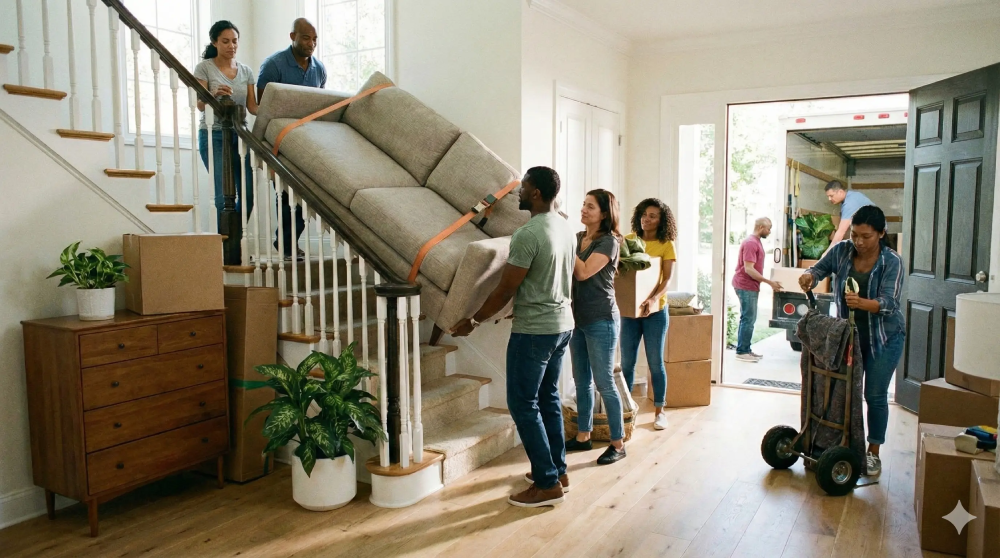
Moving furniture inside a home or office may seem straightforward, but improper handling can easily result in scratched floors, chipped walls, dented doors, or damaged furniture. Whether rearranging a single room or relocating an entire space, careful preparation and the right techniques make a significant difference.
This guide explains practical, proven methods to move furniture safely while protecting both your belongings and your property.
Choosing Brazos Movers means working with a team committed to reliable customer service and efficient relocation support. Their experienced professionals handle packing, loading, transportation, and unloading with care, helping families and businesses enjoy a smooth, organized, and stress-free moving experience from beginning to end.
Plan Before Moving Any Furniture
Preparation reduces most moving-related damage. Instead of lifting immediately, take time to assess the route and surrounding surfaces.
Key steps include:
- Measure furniture dimensions and doorways before lifting
- Identify tight corners, stairs, or narrow hallways
- Remove obstacles like rugs, décor items, and cables
- Protect flooring with sheets, cardboard, or moving blankets
- Open doors fully along the path
Planning ahead prevents last-minute adjustments that often cause scratches or impact marks.
Use Proper Lifting Techniques
Incorrect lifting is one of the most common reasons furniture collides with walls or floors.
Follow these safe lifting practices:
- Bend your knees instead of your back
- Keep the furniture close to your body
- Lift slowly and steadily
- Avoid twisting while carrying heavy items
- Ask for assistance with bulky objects
Working with controlled movement minimizes accidental contact with surfaces.
Disassemble Large Furniture Whenever Possible
Large furniture pieces are harder to maneuver through tight spaces. Disassembly simplifies transport and lowers the risk of damage.
Items commonly suitable for disassembly include:
- Bed frames
- Dining tables
- Wardrobes
- Modular sofas
- Shelving units
Store screws and fittings in labeled bags to ensure easy reassembly later.
Protect Floors From Scratches and Dents
Floor surfaces are especially vulnerable during furniture movement.
To prevent damage:
- Use felt pads under furniture legs
- Slide items on moving blankets instead of dragging directly
- Place cardboard sheets along movement paths
- Use furniture sliders for heavy items
Hardwood, tile, and laminate flooring benefit greatly from these precautions.
Guard Walls, Corners, and Door Frames
Walls and corners are common contact points during furniture relocation.
Protect them by:
- Wrapping furniture edges with blankets
- Installing temporary corner guards
- Using painter’s tape on vulnerable wall edges
- Moving slowly through narrow openings
Even lightweight furniture can leave marks if moved carelessly through tight spaces.
Use the Right Moving Equipment
Using appropriate tools significantly reduces strain and surface damage.
Helpful equipment includes:
- Furniture sliders
- Moving straps
- Dollies and hand trucks
- Protective blankets
- Stretch wrap for securing loose components
These tools distribute weight evenly and improve movement control.
Move One Piece at a Time
Attempting to move multiple items together increases the likelihood of accidents.
Instead:
- Focus on one item at a time
- Clear pathways between moves
- Assign roles when working with helpers
- Maintain communication while carrying large pieces
Controlled pacing keeps both furniture and interiors safe.
Protect Furniture Surfaces During Transport
Furniture itself can also suffer scratches during indoor relocation.
Protect surfaces by:
- Wrapping polished areas in cloth or blankets
- Securing drawers and doors with stretch wrap
- Avoiding stacking heavy objects on delicate surfaces
- Keeping hardware stored separately
Maintaining surface protection preserves long-term appearance.
Consider Professional Help for Heavy Items
Some furniture pieces are simply too large or heavy to move safely without assistance.
Examples include:
- Solid wood wardrobes
- Large sectional sofas
- Marble-top tables
- Office cabinets
- Antique furniture
Professional movers use specialized tools and techniques that reduce property risk.
Maintain Clear Communication When Working With Others
When two or more people move furniture together, coordination prevents sudden impacts.
Best practices include:
- Assigning one person to guide direction
- Moving at a consistent pace
- Communicating before turning corners
- Taking breaks when needed
Simple coordination dramatically improves safety during movement.
Frequently Asked Questions
What is the safest way to move heavy furniture across hardwood floors
Using furniture sliders or thick moving blankets underneath the legs prevents scratches and reduces friction while allowing smoother movement.
Should furniture always be disassembled before moving inside a house
Disassembly is recommended for large or bulky items, but smaller pieces can often be moved safely without taking them apart.
How can door frames be protected during furniture movement
Wrapping furniture edges with blankets and applying temporary padding to door frames helps prevent dents and scratches.
Are furniture sliders better than lifting furniture completely
Sliders are ideal for heavy items on smooth floors because they reduce effort and minimize floor damage.
What type of padding works best for wall protection
Moving blankets, foam sheets, and corner guards provide effective temporary wall protection during furniture relocation.
Is it safe to move furniture alone
Lightweight furniture may be manageable individually, but heavier pieces should always be moved with assistance to prevent injury and property damage.
How can furniture corners be protected while moving
Covering sharp edges with blankets, towels, or protective wraps helps prevent impact marks on walls and doors.