

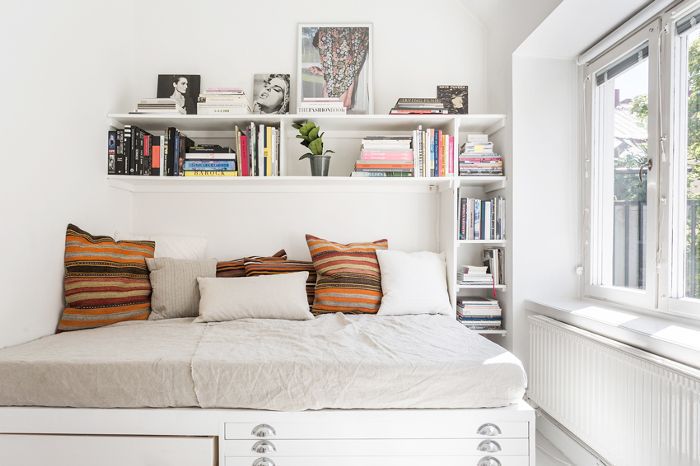
Living in a compact home doesn’t mean sacrificing comfort or style. With intentional design choices and space-smart decor, even the smallest apartment can feel open, functional, and inviting. The key is to make every square foot work harder—without making it feel crowded.
Below are practical, design-forward ideas that help you transform limited space into a home with maximum impact and personality.
Think Vertical: Use Height to Your Advantage
When floor space is limited, vertical real estate becomes invaluable. Drawing the eye upward creates the illusion of taller ceilings while adding functional storage.
Smart vertical ideas include:
-
Wall-mounted shelves for books, plants, and decor
-
Tall, narrow bookcases instead of wide cabinets
-
Hooks or pegboards for bags, hats, and accessories
-
Floor-to-ceiling curtains to visually heighten the room
Multi-Functional Furniture Is a Game-Changer
In compact living, furniture should earn its place. Pieces that serve more than one purpose reduce clutter while improving usability.
Look for furniture that:
-
Converts easily (sofa beds, fold-out desks)
-
Includes hidden storage (ottomans, beds with drawers)
-
Collapses or folds when not in use
-
Adapts to different needs throughout the day
Light Colors and Reflective Surfaces Open Up Rooms
Color has a powerful effect on perception. Light, neutral tones help small rooms feel airy and open, while reflective elements amplify natural light.
Effective visual tricks:
-
Soft whites, beige, and warm gray palettes
-
Mirrors placed opposite windows
-
Glass or acrylic furniture for a lighter visual footprint
-
Satin or semi-gloss finishes that reflect light subtly
Smart Storage That Blends In
Storage doesn’t have to look utilitarian. In fact, the best storage solutions disappear into the design.
Consider these seamless options:
-
Under-bed storage bins or drawers
-
Built-in cabinets around doors or windows
-
Benches with lift-up seats
-
Storage baskets that double as decor accents
Zone Your Space Without Building Walls
Even a studio can feel organized when it’s visually divided. Zoning helps define how each area is used without closing it off.
Simple zoning techniques:
-
Area rugs to anchor living or sleeping zones
-
Open shelving as subtle dividers
-
Curtains or sliding panels for flexible separation
-
Lighting variations to signal different functions
Decor With Purpose: Less but Better
In small spaces, decor should be intentional and meaningful. Too many accessories can overwhelm, while curated pieces add character.
Focus on:
-
A few statement items instead of many small ones
-
Wall art that reflects your personality
-
Indoor plants for freshness and warmth
-
Textiles like cushions or throws for layered comfort
Let Technology Work Quietly in the Background
Compact homes benefit greatly from smart technology that reduces visual clutter and simplifies daily routines.
Helpful upgrades include:
-
Smart lighting to adjust brightness and mood
-
Compact wireless speakers instead of bulky systems
-
Hidden charging stations inside drawers
-
Voice-controlled devices that replace multiple gadgets
Final Thoughts
Decorating a small home is less about limitation and more about strategic creativity. By choosing adaptable furniture, thoughtful storage, and a cohesive color palette, you can design a space that feels bigger, calmer, and uniquely yours. Compact living isn’t about downsizing life—it’s about designing smarter.
Frequently Asked Questions
1. How can I make a small room look bigger without renovations?
Use light colors, mirrors, and vertical storage while keeping furniture minimal and well-proportioned.
2. What type of furniture works best in compact homes?
Multi-functional and foldable furniture offers flexibility without overcrowding the space.
3. Are dark colors bad for small spaces?
Not always. Dark accents can add depth when balanced with light walls and good lighting.
4. How do I reduce clutter in a small apartment?
Choose furniture with built-in storage and keep only decor that serves a visual or functional purpose.
5. Can plants work in small living spaces?
Yes. Opt for vertical planters, hanging pots, or small indoor plants to avoid using floor space.
6. What lighting works best for compact rooms?
Layered lighting—ambient, task, and accent—creates depth and prevents a boxed-in feel.
7. How often should I refresh decor in a small space?
Seasonal updates like swapping textiles or wall art keep the space feeling fresh without major changes.