

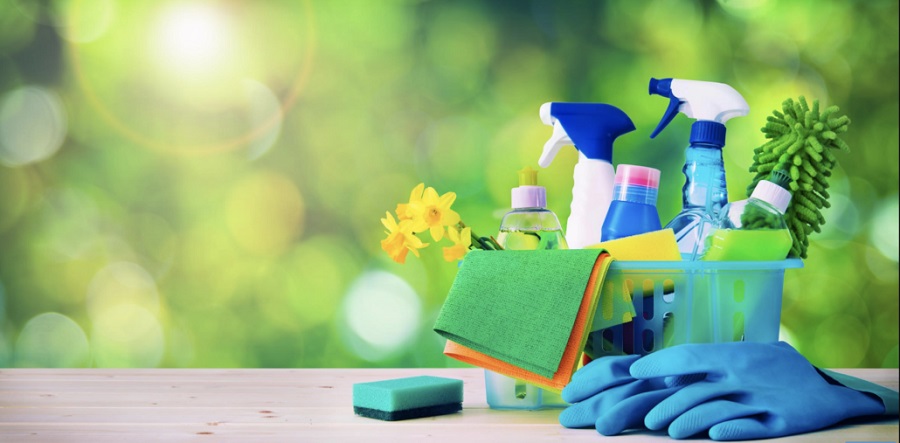
Eco-friendly home cleaning has evolved from a niche preference into a global necessity. As concerns about pollution, chemical exposure, and climate change rise, households are becoming more intentional about the products they use and the habits they maintain. Choosing environmentally conscious cleaning solutions supports healthier homes, protects natural resources, and promotes long-term sustainability without compromising hygiene.
Why Eco-Friendly Cleaning Matters
Reduced Chemical Exposure
Many traditional cleaning formulas contain harsh additives such as ammonia, chlorine, and artificial fragrances. These substances can irritate the skin, eyes, and respiratory system, especially in children or sensitive individuals. Natural cleaning products rely on gentler, plant-based ingredients that help minimize health risks while still delivering effective results.
Better for the Environment
Chemical runoff from household cleaners can seep into soil and waterways, harming wildlife and disrupting ecosystems. Eco-friendly alternatives are typically biodegradable, meaning they break down safely without leaving long-lasting pollution behind.
Improved Indoor Air Quality
Indoor spaces often harbor more airborne toxins than the outdoors due to chemical cleaners releasing VOCs. Switching to natural ingredients such as vinegar, baking soda, and essential oils reduces indoor contamination and creates a fresher, healthier atmosphere.
Less Plastic Waste
Sustainable cleaning solutions frequently come in refillable containers, concentrated formulas, or solid formats that drastically cut down on plastic usage. Adopting these products helps reduce the volume of single-use plastics entering landfills and oceans.
A Step Toward a Greener Lifestyle
Eco-conscious cleaning contributes to a broader culture of sustainability. It encourages mindful consumption, supports ethical brands, and reduces your household’s carbon footprint through everyday choices.
Practical Ways to Clean More Sustainably
Choose Natural, Non-Toxic Ingredients
Simple, affordable items like lemon juice, baking soda, distilled vinegar, and castile soap can tackle many household cleaning tasks just as effectively as store-bought chemicals.
Use Reusable Cleaning Tools
Opt for microfiber cloths, washable mop heads, and durable scrub brushes. These reduce waste and save money over time.
Try Concentrated or Refillable Products
Concentrates reduce packaging waste and require fewer deliveries, which lowers emissions. Refillable cleaning pods and tablets also eliminate the need for repeated plastic purchases.
Avoid Synthetic Fragrances
Select fragrance-free or naturally scented cleaners. Essential oils such as lavender, eucalyptus, or citrus provide a pleasant aroma without harmful additives.
Ventilate While Cleaning
Even natural products can produce mild fumes, so good airflow helps maintain comfort and safety.
Dispose of Chemicals Responsibly
If transitioning away from conventional cleaners, avoid dumping leftover chemicals down the sink. Check local guidelines for proper disposal to prevent environmental contamination.
Long-Term Impact of Eco-Friendly Cleaning
Healthier Homes
Reducing exposure to irritants and toxins supports overall well-being, improving comfort for children, pets, and allergy-prone individuals.
Stronger Environmental Stewardship
Sustainable cleaning is one small but meaningful contribution to reducing pollution and conserving natural resources.
A More Conscious Consumer Mindset
As people grow more aware of ingredient labels and environmental claims, the market shifts toward greener, safer solutions—encouraging companies to innovate responsibly.
FAQs
1. Are eco-friendly cleaning products as effective as conventional ones?
Yes. Many natural products work just as well, especially for everyday cleaning. Some tasks may require slightly more effort, but the results are comparable.
2. Do natural cleaners disinfect surfaces?
Certain ingredients like vinegar and hydrogen peroxide have disinfecting properties, though they may not replace medical-grade disinfectants when dealing with serious pathogens.
3. Are eco-friendly products safe for pets?
Most natural cleaners are safer for pets than chemical-based ones, but it’s still wise to keep animals away while cleaning and allow surfaces to dry fully.
4. How can I tell if a cleaning product is genuinely eco-friendly?
Look for third-party certifications such as EPA Safer Choice or Green Seal, and check for clear ingredient labeling.
5. Can eco-friendly cleaning save money?
Absolutely. Many natural cleaning ingredients are inexpensive and multi-purpose, reducing the need for numerous specialized products.
6. What is the biggest environmental benefit of eco-friendly cleaning?
The most significant advantage is reducing chemical pollution and cutting down on plastic waste through sustainable packaging.
7. Is switching to eco-friendly cleaning difficult?
Not at all. Start gradually by replacing one product at a time or experimenting with simple DIY cleaners until you find what works best for your home.