

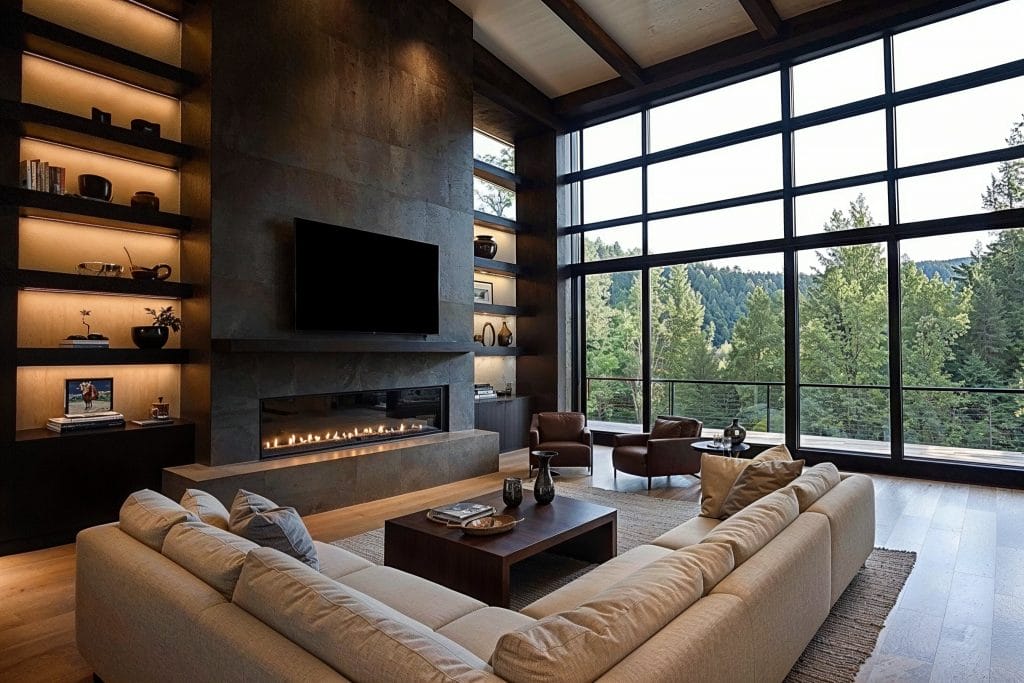
Modern home improvements are no longer just about aesthetics. Today, they play a central role in enhancing daily comfort, improving energy efficiency, and reducing long-term living costs. From smart technology to sustainable materials, homeowners are reshaping their spaces to better support modern lifestyles while remaining environmentally responsible.
The Shift Toward Smarter Living Spaces
Homes are becoming more intelligent and responsive to the people who live in them. Smart systems allow homeowners to control lighting, temperature, security, and appliances with minimal effort.
Key benefits of smart home integration include:
-
Automated climate control that adjusts based on occupancy and time of day
-
Smart lighting systems that reduce unnecessary energy usage
-
Remote monitoring and control through mobile devices
These innovations not only add convenience but also significantly reduce energy waste, making everyday living smoother and more efficient.
Energy-Efficient Upgrades That Make a Real Difference
Energy efficiency is one of the strongest driving forces behind modern home improvements. Homeowners are increasingly investing in upgrades that lower utility bills while improving indoor comfort.
Common high-impact improvements include:
-
High-performance insulation that maintains stable indoor temperatures
-
Energy-efficient windows and doors that reduce heat loss and drafts
-
Upgraded HVAC systems designed for optimal performance with lower energy consumption
These changes help homes stay warmer in winter, cooler in summer, and quieter year-round.
Enhancing Comfort Through Better Indoor Environments
Comfort goes beyond temperature. Modern improvements focus on improving overall indoor quality, including air, sound, and lighting.
Homeowners are prioritizing:
-
Improved indoor air quality with advanced ventilation and filtration systems
-
Noise reduction solutions such as insulated walls and soundproof windows
-
Natural lighting enhancements through skylights and open layouts
The result is a living space that feels healthier, calmer, and more enjoyable on a daily basis.
Sustainable Materials and Eco-Conscious Design
Sustainability is now a core element of modern home improvement. Homeowners are choosing materials and designs that reduce environmental impact without sacrificing style or durability.
Popular sustainable choices include:
-
Recycled or reclaimed building materials
-
Low-VOC paints and finishes for healthier indoor air
-
Water-saving fixtures that reduce consumption without affecting performance
These improvements support long-term environmental goals while adding value to the home.
Kitchens and Bathrooms: Comfort Meets Efficiency
Kitchens and bathrooms are among the most frequently upgraded spaces, and for good reason. Modern designs focus on both functionality and efficiency.
Upgrades often feature:
-
Energy-efficient appliances that consume less power and water
-
Smart faucets and fixtures that minimize waste
-
Ergonomic layouts designed for ease of movement and daily use
These improvements make everyday routines more convenient while lowering ongoing costs.
Long-Term Value and Lifestyle Benefits
Beyond immediate comfort, modern home improvements offer lasting benefits. Energy-efficient and smart homes tend to have higher resale value and lower maintenance costs over time.
Homeowners gain:
-
Reduced monthly utility expenses
-
Improved property value in competitive markets
-
A more adaptable living space that evolves with changing needs
These upgrades are investments that pay off both financially and in quality of life.
Frequently Asked Questions
What is the most cost-effective home improvement for better efficiency?
Upgrading insulation and sealing air leaks often delivers the fastest return by reducing heating and cooling costs.
Do smart home systems significantly increase energy savings?
Yes, when used correctly, smart thermostats and automated lighting can noticeably reduce unnecessary energy use.
Are energy-efficient upgrades expensive to maintain?
Most modern systems are designed for durability and low maintenance, often costing less over time than older alternatives.
How do modern windows improve everyday comfort?
They reduce drafts, control indoor temperatures, and minimize outside noise, creating a more stable living environment.
Can sustainable materials really improve indoor air quality?
Low-VOC and natural materials release fewer harmful chemicals, leading to cleaner and healthier indoor air.
Do modern home improvements increase resale value?
Homes with energy-efficient and smart features are generally more attractive to buyers and often command higher prices.
Is it better to upgrade gradually or all at once?
This depends on budget and priorities. Many homeowners see success by starting with high-impact upgrades and expanding over time.